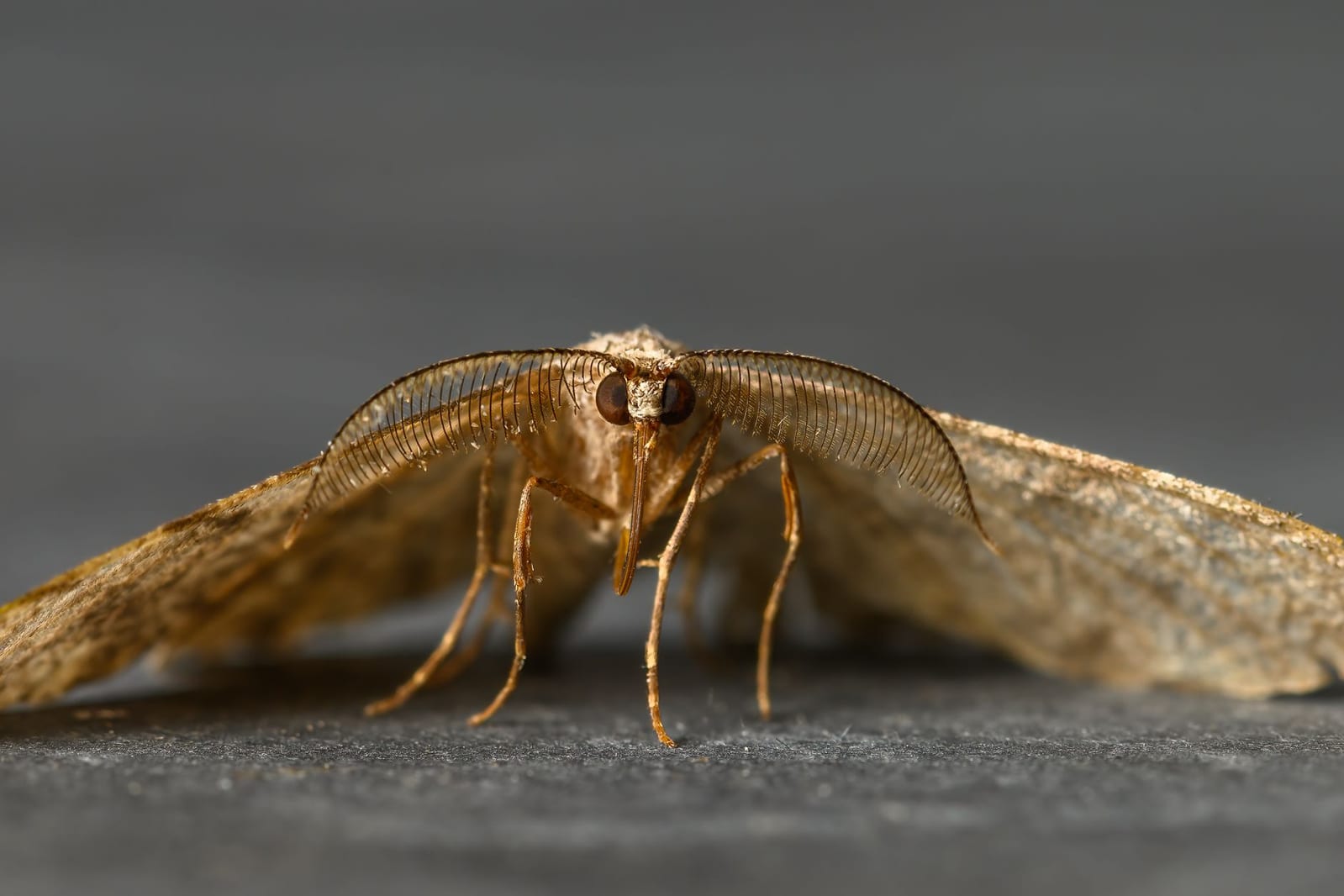
Moth control in Carroll Gardens: what to know
Carroll Gardens is known for its unusually deep front gardens on brownstone-lined streets between Court and Smith — a variant of the classic Brooklyn row house with the same shared walls, old plumbing and basement voids that let rodents and cockroaches travel between adjoining homes.
The gardens and mature street trees add seasonal ant and occasional-invader pressure, while the busy Smith Street and Court Street restaurant strips sustain rodent pressure into the surrounding residential blocks.
Basement and garden-level apartments here are especially prone to large 'water bugs' rising from old drains given the neighbourhood's below-grade garden construction and aging foundations.
Signs you need moth control
- Small moths flying in the kitchen or around closets
- Webbing or clumping in stored grains, flour, or pet food
- Holes in wool, silk, or stored natural-fibre clothing
How we treat moth control in Carroll Gardens
Pantry moths breed in stored grains, flour, pet food and spices; clothing moths in wool, silk and stored natural fibres. The flying adults you see are the end of the cycle — the larvae doing the damage are in the food or fabric.
We locate and help you remove the infested source, then treat to interrupt the breeding cycle so the problem ends rather than recurring every few weeks.
Local landmarks & coverage
We serve all of Carroll Gardens and the surrounding Brooklyn area — including Carroll Park, Court Street, Smith Street, the neighbourhood's deep front gardens — across ZIP codes 11231.