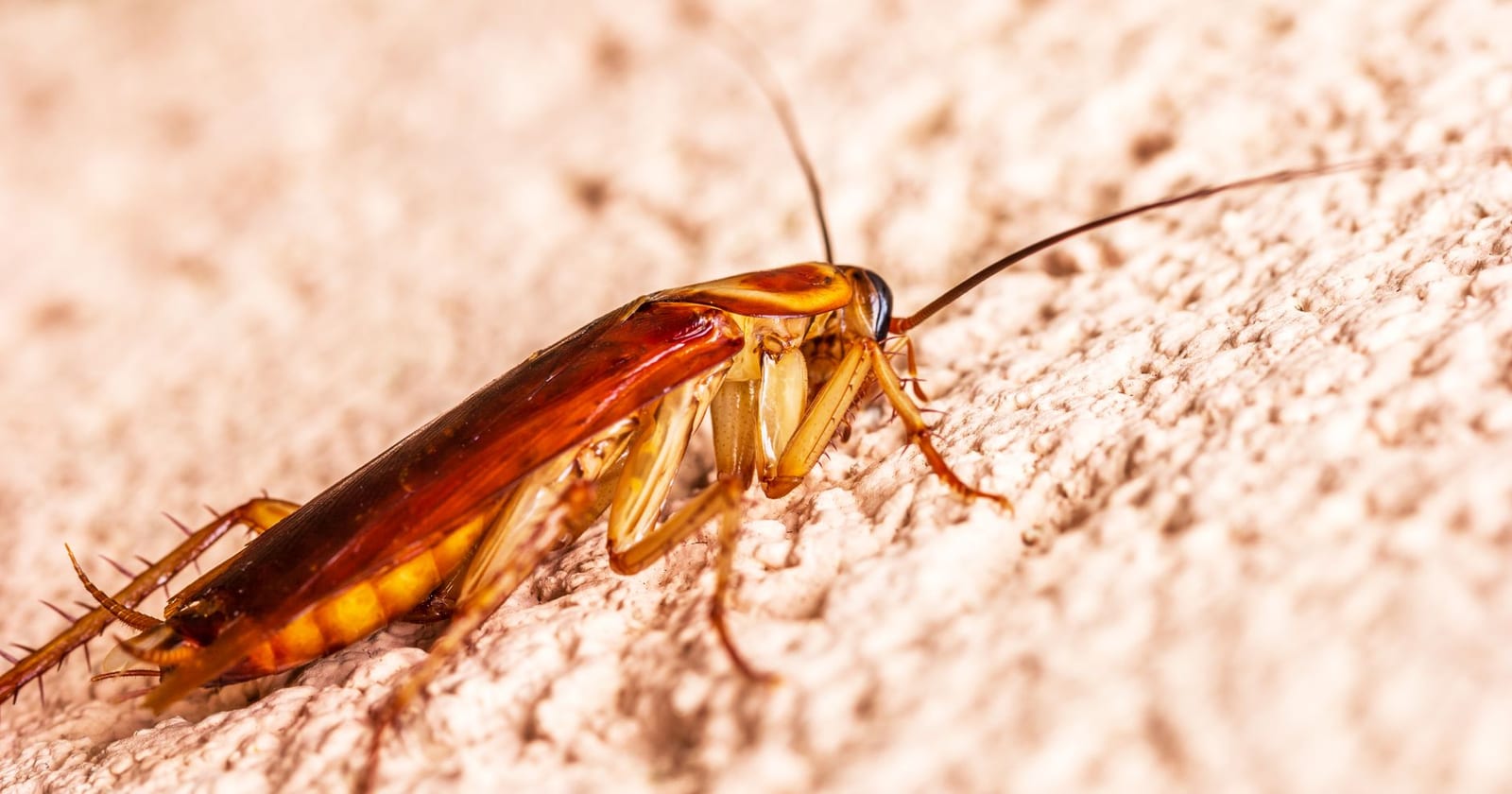
Garden-level and basement apartments beneath Carroll Gardens' historic brownstones are prone to 'water bugs' — the larger American cockroach — emerging from old drains, and to ant and cockroach trails entering through cracked foundation mortar. That combination requires professional treatment rather than a DIY barrier spray, because the source is structural, not a single visible pest.
Carroll Gardens' brownstone blocks — 19th-century row houses with original plumbing systems and shared rear gardens — also give the smaller German cockroach a way to move between adjacent units that a modern apartment building's sealed construction doesn't allow. A kitchen infestation in one row house isn't necessarily isolated to that address.
We treat both problems as what they are: the drain-and-basement 'water bug' issue is a plumbing and foundation-condition problem in garden-level units, while the kitchen German cockroach issue is a harbourage-and-shared-plumbing problem that can extend beyond one unit in this attached housing stock.
Why do cockroaches keep coming back in NYC apartments, and what actually works?
The German cockroach is the species behind most New York apartment infestations, and its biology is why they explode: several nymphs emerge from each bean-shaped egg case — up to 40 for the German cockroach — and the University of Kentucky notes it is typically introduced in infested grocery bags, beverage cartons or second-hand furniture rather than crawling in from outside. (University of Kentucky Entomology — Cockroach Elimination in Homes and Apartments)
Many New Yorkers call any large basement roach a 'water bug,' but University of Minnesota Extension identifies that insect as the Oriental cockroach, which prefers dark, damp places like basements, cellars, crawl spaces and sewers and is often found near drains, leaky pipes and under sinks. Correctly identifying the species determines where treatment should be targeted. (University of Minnesota Extension — Cockroaches)
Cockroaches are a leading indoor asthma trigger: NYC Housing Preservation & Development lists cockroaches among the allergens that can cause asthma attacks or make asthma symptoms worse, and Local Law 55 of 2018 requires owners of buildings with three or more apartments to keep tenants' units free of pests and to safely fix the conditions causing them. (NYC HPD — Indoor Allergen Hazards (Mold and Pests))
For lasting control, the University of Kentucky reports most householders get better results from bait than from sprays — gel baits placed with a syringe are often the most effective option, and used correctly can rival professional extermination. It also warns not to spray cleaners or insecticides near bait, as that can discourage roaches from feeding on it. (University of Kentucky Entomology — Cockroach Elimination in Homes and Apartments)
Gel bait vs surface spray — which clears a roach infestation?
| Gel bait (syringe) | Aerosol / liquid spray | |
|---|---|---|
| Reaches roaches in cracks and harborage | Yes — injected directly into hiding places | Limited — mostly treats exposed surfaces |
| Affects roaches that never touch it | Yes — secondary transfer via feces and sputum | No secondary effect |
| Risk of scattering the infestation | Low | A repellent contact spray can scatter roaches |
| Effectiveness for householders (per UKY) | Often the most effective; can rival professional results | Less effective unless harborage is precisely targeted |
How much does cockroach & water bug control cost in NYC?
$120–$700
NYC one-time treatment: $150–$700 (most jobs ~$300). German cockroach: $200–$500. American/water bug: $150–$300. Monthly maintenance plan: $50–$100/month. National average (Bob Vila): $120–$160.
| German cockroach | $200–$500 one-time |
| American / water bug | $150–$300 one-time |
| Monthly maintenance plan | $50–$100 per month |
Market range — not our quote
This is a market range synthesised from published cost guides — not a quote from this provider. The actual price depends on an in-person or photo-based inspection.
NYC-specific figures rely on tier-2 sources only; Bob Vila's tier-1 national figure ($120–$160) sits well below the NYC-claimed range — consistent with a genuine NYC premium but not independently verified at that magnitude.
What drives the price
- Species (German roaches cost more — faster reproduction, hide in appliances/cabinet voids)
- Single unit vs building-wide program (co-ops/condos: $500–$2,000+)
- One-time vs recurring monthly plan
- Shared-plumbing-riser buildings (NYC pre-war stock) spreading infestation building-wide
Signs you have a cockroach control problem
- American cockroaches ('water bugs') emerging from a floor drain or basement fixture in a garden-level or basement unit
- Live cockroaches in the kitchen at night, especially near original plumbing runs
- Roach or ant activity near cracked foundation mortar in a garden-level apartment
- Musty odour concentrated in the basement or garden-level unit rather than the whole building
- Recurring activity after a store-bought spray that scatters roaches rather than eliminating harbourage
Why Carroll Gardens sees this
Carroll Gardens' garden-level and basement units, common beneath the neighbourhood's historic brownstones, see a distinct 'water bug' problem tied to old drains that upper-floor units in the same building typically don't have.
The same original plumbing systems and shared rear gardens that connect Carroll Gardens row houses for rodents also give German cockroaches a path between adjacent units.